
Medical Tourism in India: World-Class Healthcare at Affordable Prices
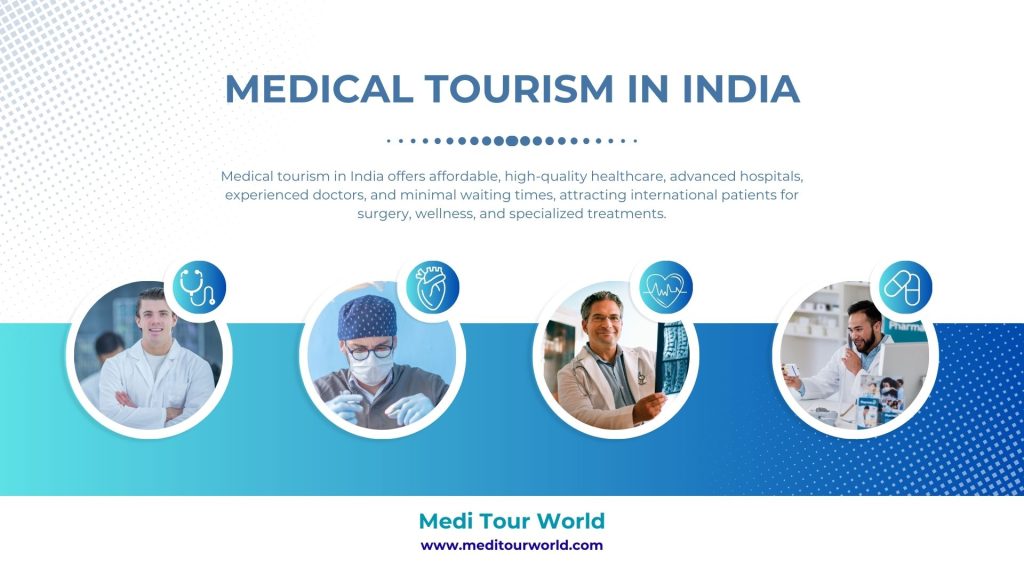
Medical Tourism in India: World-Class Healthcare at a Fraction of Western Prices
Published: March 2026 | Reading Time: 8 min | Category: Medical Tourism
Imagine getting a life-saving heart surgery with the same success rate as a top American hospital — but paying 90% less. That is not a fantasy. That is the reality of medical tourism in India today.
Every year, over 700,000 international patients travel to India for medical treatment, making it one of the world’s top destinations for health tourism. From complex cardiac procedures to cutting-edge cancer therapies and affordable cosmetic surgery, India offers it all — backed by internationally accredited hospitals, English-speaking doctors trained abroad, and state-of-the-art technology.
In this comprehensive guide, we break down everything you need to know about medical tourism in India — including real cost comparisons with the USA and UK, top hospitals, popular treatments, technology advancements, the medical visa process, and answers to the most frequently asked questions.
Why India Has Become the World’s Medical Tourism Hub
India’s rise as a global medical tourism destination is no coincidence. Several powerful factors converge to make it an unbeatable choice for international patients:
- Cost savings of 60–90% compared to Western countries
- Over 40 JCI-accredited hospitals (Joint Commission International) — the gold standard in global healthcare
- More than 1 million doctors, including thousands trained in the USA, UK, and Germany
- Zero to minimal waiting times — unlike the NHS in the UK where waits can stretch 18+ months
- English widely spoken by medical staff across major cities
- Advanced technology including robotic surgery, AI diagnostics, proton therapy, and precision oncology
- Government-backed e-medical visa available to 170+ countries
According to India’s Ministry of Tourism, the medical tourism sector in India was valued at approximately USD 9 billion in 2023 and is projected to reach USD 14 billion by 2026, growing at a CAGR of over 15%.
India vs. USA & UK: Real Cost Comparisons That Will Surprise You
The most compelling reason patients fly thousands of miles to India is simple: the cost. Here is a detailed comparison of common medical procedures across India, the USA, and the UK:
| Уход | Индия (долл. США) | США (долл. США) | Великобритания (долл. США) |
| Heart Bypass Surgery | $5,000 – $7,500 | $70,000 – $150,000 | $30,000 – $50,000 |
| Knee Replacement | $6,000 – $9,000 | $40,000 – $70,000 | $20,000 – $35,000 |
| IVF Treatment | $2,500 – $4,000 | $12,000 – $20,000 | $8,000 – $15,000 |
| Трансплантация печени | $28,000 – $45,000 | $300,000 – $500,000 | $80,000 – $120,000 |
| Dental Implant (per) | $500 – $900 | $3,000 – $6,000 | $2,000 – $4,000 |
| Cosmetic Surgery (Rhinoplasty) | $2,000 – $4,000 | $8,000 – $15,000 | $6,000 – $12,000 |
| Spinal Fusion | $6,000 – $12,000 | $80,000 – $150,000 | $30,000 – $60,000 |
| Hip Replacement | $7,000 – $10,000 | $40,000 – $65,000 | $20,000 – $40,000 |
Sources: International Federation of Health Plans (iFHP), NerdWallet Health, Apollo Hospitals India, Fortis Healthcare (2024 data).
These numbers are not anomalies — they reflect India’s structural cost advantages: lower labor costs, government-subsidized medical education, and a competitive private healthcare market.
Top Hospitals in India for International Patients
India’s best hospitals are not just affordable — they are genuinely world-class. Here are the leading institutions that attract international patients:
1. Apollo Hospitals (Chennai, Delhi, Hyderabad, Mumbai)
One of Asia’s largest healthcare networks with JCI accreditation. Apollo pioneered medical tourism in India and has treated patients from over 120 countries. It offers dedicated international patient lounges, multilingual staff, and integrated telemedicine for pre- and post-care.
2. Max Healthcare (Multiple Locations)
A leading Indian hospital chain with over 20 facilities (5,200+ beds) primarily in North India, focusing on super-speciality tertiary care. It provides advanced services in cardiology, oncology, and robotic surgery, holding JCI and NABH accreditations.
3. Manipal Hospitals (Bengaluru, Delhi)
Manipal Hospitals is a leading Indian multi-specialty healthcare provider, operating a network of over 49 hospitals. Known for clinical excellence and patient-centric care, it offers advanced, affordable treatments nationwide.
4. Fortis Healthcare (Multiple Locations)
Known for cardiac and orthopaedic care, Fortis uses robotic-assisted surgery (Da Vinci system) and AI-powered diagnostic tools. Their organ transplant programs are among the best in Asia.
5. Medanta – The Medicity (Gurugram)
Founded by Dr. Naresh Trehan, a cardiac surgeon trained at NYU, Medanta is a 1,600-bed multi-specialty hospital. It is particularly renowned for cardiac surgeries and neurosciences.
6. Sir Gangaram Hospital (Delhi)
Sir Ganga Ram Hospital in New Delhi, established in 1954, is a premier, 675+ bedded multi-specialty tertiary care hospital. It is renowned for high-end clinical care, advanced research, and charitable services.
7. Tata Memorial Hospital (Mumbai)
India’s premier cancer hospital, part of the government’s Tata Memorial Centre, offers proton therapy and CAR-T cell therapy — treatments that cost over $500,000 in the USA but are available here at a fraction of the cost.
8. AIIMS (New Delhi)
The All India Institute of Medical Sciences is a government-run institution considered equivalent to top US research hospitals. Though primarily for Indian citizens, international patients increasingly seek specialized care here.
Most Popular Medical Treatments for International Patients
India caters to a wide spectrum of medical needs. The most sought-after procedures include:
- Cardiac surgery (bypass, valve replacement, angioplasty)
- Orthopaedic procedures (knee/hip replacement, spinal surgery)
- Oncology (chemotherapy, radiation, immunotherapy, proton therapy)
- Fertility treatments (IVF, surrogacy, egg donation)
- Organ transplants (liver, kidney, bone marrow)
- Dental care (implants, veneers, full mouth rehabilitation)
- Cosmetic and plastic surgery (rhinoplasty, liposuction, hair transplants)
- Ayurveda, wellness, and rehabilitation (unique to India)
- Eye surgery (LASIK, cataract, retinal procedures)
- Bariatric (weight loss) surgery
Modern Technology Driving India’s Healthcare Revolution
India’s top hospitals are not stuck in the past. They are investing heavily in the same cutting-edge technologies used in the best hospitals in the world:
Robotic Surgery (Da Vinci System)
Available at Apollo, Fortis, and Manipal, robotic-assisted surgery offers greater precision with smaller incisions, faster recovery, and lower complication rates. The same procedure costs 70–80% less in India than in the USA.
AI-Powered Diagnostics
Hospitals like Narayana Health use AI algorithms for early detection of diabetic retinopathy, cardiac conditions, and certain cancers — improving diagnostic accuracy and reducing costs.
Proton Therapy
India now has proton therapy centers (Apollo Proton Cancer Centre in Chennai), one of fewer than 100 in the world. The USA charges $40,000–$120,000 for proton therapy; India offers it at $15,000–$30,000.
CAR-T Cell Therapy
India launched its first indigenously developed CAR-T cell therapy (NexCAR19) in 2024 — a breakthrough cancer immunotherapy available for as low as $40,000 compared to over $400,000 in the USA.
Telemedicine & Digital Health
Most major Indian hospitals now offer pre-arrival teleconsultations, digital medical records, and remote post-operative follow-up — making the entire patient journey smoother and more connected.
How to Plan Your Medical Trip to India: A Step-by-Step Guide
Step 1 — Research & Choose a Hospital: Use platforms like Medi Tour World or directly contact JCI-accredited hospitals. Most have dedicated International Patient Departments.
Step 2 — Get a Medical Visa: India offers a specialized e-Medical Visa (e-MV) available online for citizens of 170+ countries. It allows a stay of up to 60 days and can be extended. Processing takes 3–5 working days and costs $25–$100.
Step 3 — Pre-Arrival Consultation: Send your medical reports and get a remote diagnosis and cost estimate before booking your flight.
Step 4 — Arrange Accommodation: Most hospitals offer in-hospital rooms for attendants, or partner with nearby hotels offering medical tourism packages including meals and local transport.
Step 5 — Arrive & Receive Treatment: Hospitals like Apollo offer airport pickup, translator services, and dedicated patient relationship managers.
Step 6 — Recovery & Post-Care: Many patients combine recovery with India tourism — Kerala’s backwaters, Goa’s beaches, or Rishikesh yoga retreats are popular choices.
Is Medical Tourism in India Safe? Addressing Common Concerns
Safety is naturally the top concern for anyone considering medical travel. Here is the truth:
- JCI and NABH accreditation ensure hospitals meet global standards for patient safety, infection control, and clinical outcomes.
- Surgeon success rates at top Indian hospitals are comparable to, and in some specialties better than, average US hospitals.
- A 2023 study published in the Journal of Travel Medicine found no significant difference in surgical complication rates between accredited Indian hospitals and Western counterparts.
- India has strict medical tourism regulations enforced by the Ministry of Health & Family Welfare.
- Malpractice risk exists everywhere — always choose accredited hospitals and verify surgeon credentials.
India’s Medical Tourism Cities: Where Should You Go?
- Chennai – Cardiac care, transplants (Apollo main hub)
- Mumbai – Oncology, cosmetic surgery, dental care
- Delhi/Gurugram – All specialties, Medanta, Fortis, Max hospitals
- Hyderabad – Orthopaedics, fertility, eye care
- Bengaluru – Neurosciences, robotics, wellness
- Kerala – Ayurveda, wellness retreats, post-operative recovery
10 FAQs — People Also Ask About Medical Tourism in India
1. Is medical tourism in India worth it?
Absolutely. With savings of 60–90% on most procedures, internationally trained doctors, and modern hospital infrastructure, most patients find the experience far exceeds their expectations in both quality and value.
2. How much cheaper is healthcare in India compared to the USA?
On average, medical procedures in India cost 70–90% less than in the USA. A heart bypass that costs $100,000 in the US typically costs $6,000–$8,000 in India. Even accounting for flights and accommodation, the total savings are enormous.
3. Which is the best hospital in India for international patients?
Apollo Hospitals, Fortis Healthcare, Medanta, Narayana Health, and Manipal Hospitals are consistently rated among the best for international patients, offering dedicated international patient services and multilingual support.
4. How do I get a medical visa for India?
Apply online at indianvisaonline.gov.in for the e-Medical Visa. You will need your passport, a letter from your treating hospital in India, and medical documents. It is available to citizens of 170+ countries and is typically processed within 3–5 business days.
5. Is it safe to have surgery in India?
Yes, when you choose a JCI or NABH accredited hospital. These international accreditations ensure the same safety standards as top hospitals in the US and UK. Always verify your surgeon’s credentials and ask for their complication and success rate data.
6. What are the most popular medical treatments in India for foreigners?
Cardiac surgery, knee and hip replacement, IVF, liver and kidney transplants, cancer treatment, dental implants, cosmetic surgery, bariatric surgery, and LASIK eye surgery are the most commonly sought procedures.
7. Can I combine medical treatment with tourism in India?
Yes, and many patients do. India’s medical visa allows multi-city travel. Patients often combine treatment in Chennai or Delhi with recovery in Kerala’s serene backwaters or a yoga retreat in Rishikesh.
8. How long will I need to stay in India for treatment?
This depends on the procedure. Dental work or minor cosmetic surgery might require 1–2 weeks. Major surgeries like cardiac bypass or liver transplant may require 3–6 weeks including recovery time. Your hospital can provide a detailed timeline before you travel.
9. Does India offer cancer treatment for international patients?
Yes. India has world-class oncology centers offering chemotherapy, immunotherapy, targeted therapy, proton therapy, and even the revolutionary CAR-T cell therapy. The Tata Memorial Centre in Mumbai and Apollo Proton Cancer Centre in Chennai are world-renowned.
10. What is the future of medical tourism in India?
India’s medical tourism sector is projected to hit USD 14 billion by 2026. Government initiatives like Heal in India, improved visa policies, digital health infrastructure, and increasing international accreditations are making India an even more attractive destination.
Final Thoughts: India Offers a Medical Tourism Experience Unlike Any Other
Medical tourism in India is no longer a last resort — it is a smart, strategic choice. Whether you are a UK patient tired of NHS waiting lists, an American uninsured or underinsured, or simply someone who wants the best care for a fair price, India delivers.
From the cutting-edge robotic theatres of Apollo Chennai to the pioneering CAR-T cell therapies of Tata Memorial, India combines the best of modern medicine with genuinely compassionate care — all at prices that make healthcare accessible again.
The world is waking up to India’s healthcare revolution. Is it time you did too?

 English
  Español
  Français
  Português
  Русский
  العربية
  Deutsch
  Italiano